mirror of
https://github.com/QwenLM/qwen-code.git
synced 2025-12-30 05:29:17 +00:00
Compare commits
25 Commits
fix/integr
...
fix/window
| Author | SHA1 | Date | |
|---|---|---|---|

|
1386fba278 | ||
|
|
d942250905 | ||
|
|
ec32a24508 | ||
|
|
c2b59038ae | ||
|
|
27bf42b4f5 | ||
|
|
cb59b5a9dc | ||
|
|
01e62a2120 | ||
|
|
7eabf543b4 | ||

|
8106a6b0f4 | ||

|
c0839dceac | ||

|
f9a1ee2442 | ||
|
|
f824004f99 | ||

|
e274b4469a | ||
|
|
a4e3d764d3 | ||

|
0a39c91264 | ||
|
|
d1a6b3207e | ||
|
|
1c62499977 | ||
|
|
4b8b4e2fe8 | ||
|
|
36fb6b8291 | ||
|
|
f47c762620 | ||

|
573c33f68a | ||
|
|
4f2b2d0a3e | ||
|
|
44794121a8 | ||
|
|
84cccfe99a | ||
|
|
b6a3ab11e0 |
@@ -627,7 +627,12 @@ The MCP integration tracks several states:
|
||||
|
||||
### Schema Compatibility
|
||||
|
||||
- **Property stripping:** The system automatically removes certain schema properties (`$schema`, `additionalProperties`) for Qwen API compatibility
|
||||
- **Schema compliance mode:** By default (`schemaCompliance: "auto"`), tool schemas are passed through as-is. Set `"model": { "generationConfig": { "schemaCompliance": "openapi_30" } }` in your `settings.json` to convert models to Strict OpenAPI 3.0 format.
|
||||
- **OpenAPI 3.0 transformations:** When `openapi_30` mode is enabled, the system handles:
|
||||
- Nullable types: `["string", "null"]` -> `type: "string", nullable: true`
|
||||
- Const values: `const: "foo"` -> `enum: ["foo"]`
|
||||
- Exclusive limits: numeric `exclusiveMinimum` -> boolean form with `minimum`
|
||||
- Keyword removal: `$schema`, `$id`, `dependencies`, `patternProperties`
|
||||
- **Name sanitization:** Tool names are automatically sanitized to meet API requirements
|
||||
- **Conflict resolution:** Tool name conflicts between servers are resolved through automatic prefixing
|
||||
|
||||
|
||||
@@ -5,7 +5,6 @@ Welcome to the Qwen Code documentation. Qwen Code is an agentic coding tool that
|
||||
## Documentation Sections
|
||||
|
||||
### [User Guide](./users/overview)
|
||||
|
||||
Learn how to use Qwen Code as an end user. This section covers:
|
||||
|
||||
- Basic installation and setup
|
||||
@@ -14,7 +13,7 @@ Learn how to use Qwen Code as an end user. This section covers:
|
||||
- Configuration options
|
||||
- Troubleshooting
|
||||
|
||||
### [Developer Guide](./developers/contributing)
|
||||
### [Developer Guide](./developers/architecture)
|
||||
|
||||
Learn how to contribute to and develop Qwen Code. This section covers:
|
||||
|
||||
|
||||
@@ -189,8 +189,8 @@ Then select "create" and follow the prompts to define:
|
||||
> - Create project-specific subagents in `.qwen/agents/` for team sharing
|
||||
> - Use descriptive `description` fields to enable automatic delegation
|
||||
> - Limit tool access to what each subagent actually needs
|
||||
> - Know more about [Sub Agents](/users/features/sub-agents)
|
||||
> - Know more about [Approval Mode](/users/features/approval-mode)
|
||||
> - Know more about [Sub Agents](./features/sub-agents)
|
||||
> - Know more about [Approval Mode](./features/approval-mode)
|
||||
|
||||
## Work with tests
|
||||
|
||||
@@ -318,7 +318,7 @@ This provides a directory listing with file information.
|
||||
Show me the data from @github: repos/owner/repo/issues
|
||||
```
|
||||
|
||||
This fetches data from connected MCP servers using the format @server: resource. See [MCP](/users/features/mcp) for details.
|
||||
This fetches data from connected MCP servers using the format @server: resource. See [MCP](./features/mcp) for details.
|
||||
|
||||
> [!tip]
|
||||
>
|
||||
|
||||
@@ -6,7 +6,7 @@ Qwen Code includes the ability to automatically ignore files, similar to `.gitig
|
||||
|
||||
## How it works
|
||||
|
||||
When you add a path to your `.qwenignore` file, tools that respect this file will exclude matching files and directories from their operations. For example, when you use the [`read_many_files`](/developers/tools/multi-file) command, any paths in your `.qwenignore` file will be automatically excluded.
|
||||
When you add a path to your `.qwenignore` file, tools that respect this file will exclude matching files and directories from their operations. For example, when you use the [`read_many_files`](../../developers/tools/multi-file) command, any paths in your `.qwenignore` file will be automatically excluded.
|
||||
|
||||
For the most part, `.qwenignore` follows the conventions of `.gitignore` files:
|
||||
|
||||
|
||||
@@ -2,7 +2,7 @@
|
||||
|
||||
> [!tip]
|
||||
>
|
||||
> **Authentication / API keys:** Authentication (Qwen OAuth vs OpenAI-compatible API) and auth-related environment variables (like `OPENAI_API_KEY`) are documented in **[Authentication](/users/configuration/auth)**.
|
||||
> **Authentication / API keys:** Authentication (Qwen OAuth vs OpenAI-compatible API) and auth-related environment variables (like `OPENAI_API_KEY`) are documented in **[Authentication](../configuration/auth)**.
|
||||
|
||||
> [!note]
|
||||
>
|
||||
@@ -42,7 +42,7 @@ Qwen Code uses JSON settings files for persistent configuration. There are four
|
||||
|
||||
In addition to a project settings file, a project's `.qwen` directory can contain other project-specific files related to Qwen Code's operation, such as:
|
||||
|
||||
- [Custom sandbox profiles](/users/features/sandbox) (e.g. `.qwen/sandbox-macos-custom.sb`, `.qwen/sandbox.Dockerfile`).
|
||||
- [Custom sandbox profiles](../features/sandbox) (e.g. `.qwen/sandbox-macos-custom.sb`, `.qwen/sandbox.Dockerfile`).
|
||||
|
||||
### Available settings in `settings.json`
|
||||
|
||||
@@ -69,7 +69,7 @@ Settings are organized into categories. All settings should be placed within the
|
||||
|
||||
| Setting | Type | Description | Default |
|
||||
| ---------------------------------------- | ---------------- | ------------------------------------------------------------------------------------------------------------------------------------------------------------------------------------------------------------------------------------------------------------------------------------------------------------------------------------------------------------------------------------------------------------------- | ----------- |
|
||||
| `ui.theme` | string | The color theme for the UI. See [Themes](/users/configuration/themes) for available options. | `undefined` |
|
||||
| `ui.theme` | string | The color theme for the UI. See [Themes](../configuration/themes) for available options. | `undefined` |
|
||||
| `ui.customThemes` | object | Custom theme definitions. | `{}` |
|
||||
| `ui.hideWindowTitle` | boolean | Hide the window title bar. | `false` |
|
||||
| `ui.hideTips` | boolean | Hide helpful tips in the UI. | `false` |
|
||||
@@ -326,7 +326,7 @@ The CLI keeps a history of shell commands you run. To avoid conflicts between di
|
||||
Environment variables are a common way to configure applications, especially for sensitive information (like tokens) or for settings that might change between environments.
|
||||
|
||||
Qwen Code can automatically load environment variables from `.env` files.
|
||||
For authentication-related variables (like `OPENAI_*`) and the recommended `.qwen/.env` approach, see **[Authentication](/users/configuration/auth)**.
|
||||
For authentication-related variables (like `OPENAI_*`) and the recommended `.qwen/.env` approach, see **[Authentication](../configuration/auth)**.
|
||||
|
||||
> [!tip]
|
||||
>
|
||||
@@ -362,9 +362,9 @@ Arguments passed directly when running the CLI can override other configurations
|
||||
| `--model` | `-m` | Specifies the Qwen model to use for this session. | Model name | Example: `npm start -- --model qwen3-coder-plus` |
|
||||
| `--prompt` | `-p` | Used to pass a prompt directly to the command. This invokes Qwen Code in a non-interactive mode. | Your prompt text | For scripting examples, use the `--output-format json` flag to get structured output. |
|
||||
| `--prompt-interactive` | `-i` | Starts an interactive session with the provided prompt as the initial input. | Your prompt text | The prompt is processed within the interactive session, not before it. Cannot be used when piping input from stdin. Example: `qwen -i "explain this code"` |
|
||||
| `--output-format` | `-o` | Specifies the format of the CLI output for non-interactive mode. | `text`, `json`, `stream-json` | `text`: (Default) The standard human-readable output. `json`: A machine-readable JSON output emitted at the end of execution. `stream-json`: Streaming JSON messages emitted as they occur during execution. For structured output and scripting, use the `--output-format json` or `--output-format stream-json` flag. See [Headless Mode](/users/features/headless) for detailed information. |
|
||||
| `--input-format` | | Specifies the format consumed from standard input. | `text`, `stream-json` | `text`: (Default) Standard text input from stdin or command-line arguments. `stream-json`: JSON message protocol via stdin for bidirectional communication. Requirement: `--input-format stream-json` requires `--output-format stream-json` to be set. When using `stream-json`, stdin is reserved for protocol messages. See [Headless Mode](/users/features/headless) for detailed information. |
|
||||
| `--include-partial-messages` | | Include partial assistant messages when using `stream-json` output format. When enabled, emits stream events (message_start, content_block_delta, etc.) as they occur during streaming. | | Default: `false`. Requirement: Requires `--output-format stream-json` to be set. See [Headless Mode](/users/features/headless) for detailed information about stream events. |
|
||||
| `--output-format` | `-o` | Specifies the format of the CLI output for non-interactive mode. | `text`, `json`, `stream-json` | `text`: (Default) The standard human-readable output. `json`: A machine-readable JSON output emitted at the end of execution. `stream-json`: Streaming JSON messages emitted as they occur during execution. For structured output and scripting, use the `--output-format json` or `--output-format stream-json` flag. See [Headless Mode](../features/headless) for detailed information. |
|
||||
| `--input-format` | | Specifies the format consumed from standard input. | `text`, `stream-json` | `text`: (Default) Standard text input from stdin or command-line arguments. `stream-json`: JSON message protocol via stdin for bidirectional communication. Requirement: `--input-format stream-json` requires `--output-format stream-json` to be set. When using `stream-json`, stdin is reserved for protocol messages. See [Headless Mode](../features/headless) for detailed information. |
|
||||
| `--include-partial-messages` | | Include partial assistant messages when using `stream-json` output format. When enabled, emits stream events (message_start, content_block_delta, etc.) as they occur during streaming. | | Default: `false`. Requirement: Requires `--output-format stream-json` to be set. See [Headless Mode](../features/headless) for detailed information about stream events. |
|
||||
| `--sandbox` | `-s` | Enables sandbox mode for this session. | | |
|
||||
| `--sandbox-image` | | Sets the sandbox image URI. | | |
|
||||
| `--debug` | `-d` | Enables debug mode for this session, providing more verbose output. | | |
|
||||
@@ -372,14 +372,14 @@ Arguments passed directly when running the CLI can override other configurations
|
||||
| `--help` | `-h` | Displays help information about command-line arguments. | | |
|
||||
| `--show-memory-usage` | | Displays the current memory usage. | | |
|
||||
| `--yolo` | | Enables YOLO mode, which automatically approves all tool calls. | | |
|
||||
| `--approval-mode` | | Sets the approval mode for tool calls. | `plan`, `default`, `auto-edit`, `yolo` | Supported modes: `plan`: Analyze only—do not modify files or execute commands. `default`: Require approval for file edits or shell commands (default behavior). `auto-edit`: Automatically approve edit tools (edit, write_file) while prompting for others. `yolo`: Automatically approve all tool calls (equivalent to `--yolo`). Cannot be used together with `--yolo`. Use `--approval-mode=yolo` instead of `--yolo` for the new unified approach. Example: `qwen --approval-mode auto-edit`<br>See more about [Approval Mode](/users/features/approval-mode). |
|
||||
| `--approval-mode` | | Sets the approval mode for tool calls. | `plan`, `default`, `auto-edit`, `yolo` | Supported modes: `plan`: Analyze only—do not modify files or execute commands. `default`: Require approval for file edits or shell commands (default behavior). `auto-edit`: Automatically approve edit tools (edit, write_file) while prompting for others. `yolo`: Automatically approve all tool calls (equivalent to `--yolo`). Cannot be used together with `--yolo`. Use `--approval-mode=yolo` instead of `--yolo` for the new unified approach. Example: `qwen --approval-mode auto-edit`<br>See more about [Approval Mode](../features/approval-mode). |
|
||||
| `--allowed-tools` | | A comma-separated list of tool names that will bypass the confirmation dialog. | Tool names | Example: `qwen --allowed-tools "Shell(git status)"` |
|
||||
| `--telemetry` | | Enables [telemetry](/developers/development/telemetry). | | |
|
||||
| `--telemetry-target` | | Sets the telemetry target. | | See [telemetry](/developers/development/telemetry) for more information. |
|
||||
| `--telemetry-otlp-endpoint` | | Sets the OTLP endpoint for telemetry. | | See [telemetry](/developers/development/telemetry) for more information. |
|
||||
| `--telemetry-otlp-protocol` | | Sets the OTLP protocol for telemetry (`grpc` or `http`). | | Defaults to `grpc`. See [telemetry](/developers/development/telemetry) for more information. |
|
||||
| `--telemetry-log-prompts` | | Enables logging of prompts for telemetry. | | See [telemetry](/developers/development/telemetry) for more information. |
|
||||
| `--checkpointing` | | Enables [checkpointing](/users/features/checkpointing). | | |
|
||||
| `--telemetry-otlp-endpoint` | | Sets the OTLP endpoint for telemetry. | | See [telemetry](../../developers/development/telemetry) for more information. |
|
||||
| `--telemetry-otlp-protocol` | | Sets the OTLP protocol for telemetry (`grpc` or `http`). | | Defaults to `grpc`. See [telemetry](../../developers/development/telemetry) for more information. |
|
||||
| `--telemetry-log-prompts` | | Enables logging of prompts for telemetry. | | See [telemetry](../../developers/development/telemetry) for more information. |
|
||||
| `--checkpointing` | | Enables [checkpointing](../features/checkpointing). | | |
|
||||
| `--extensions` | `-e` | Specifies a list of extensions to use for the session. | Extension names | If not provided, all available extensions are used. Use the special term `qwen -e none` to disable all extensions. Example: `qwen -e my-extension -e my-other-extension` |
|
||||
| `--list-extensions` | `-l` | Lists all available extensions and exits. | | |
|
||||
| `--proxy` | | Sets the proxy for the CLI. | Proxy URL | Example: `--proxy http://localhost:7890`. |
|
||||
@@ -438,11 +438,11 @@ This example demonstrates how you can provide general project context, specific
|
||||
- Location: The CLI also scans for the configured context file in subdirectories _below_ the current working directory (respecting common ignore patterns like `node_modules`, `.git`, etc.). The breadth of this search is limited to 200 directories by default, but can be configured with the `context.discoveryMaxDirs` setting in your `settings.json` file.
|
||||
- Scope: Allows for highly specific instructions relevant to a particular component, module, or subsection of your project.
|
||||
- **Concatenation & UI Indication:** The contents of all found context files are concatenated (with separators indicating their origin and path) and provided as part of the system prompt. The CLI footer displays the count of loaded context files, giving you a quick visual cue about the active instructional context.
|
||||
- **Importing Content:** You can modularize your context files by importing other Markdown files using the `@path/to/file.md` syntax. For more details, see the [Memory Import Processor documentation](/users/configuration/memory).
|
||||
- **Importing Content:** You can modularize your context files by importing other Markdown files using the `@path/to/file.md` syntax. For more details, see the [Memory Import Processor documentation](../configuration/memory).
|
||||
- **Commands for Memory Management:**
|
||||
- Use `/memory refresh` to force a re-scan and reload of all context files from all configured locations. This updates the AI's instructional context.
|
||||
- Use `/memory show` to display the combined instructional context currently loaded, allowing you to verify the hierarchy and content being used by the AI.
|
||||
- See the [Commands documentation](/users/reference/cli-reference) for full details on the `/memory` command and its sub-commands (`show` and `refresh`).
|
||||
- See the [Commands documentation](../features/commands) for full details on the `/memory` command and its sub-commands (`show` and `refresh`).
|
||||
|
||||
By understanding and utilizing these configuration layers and the hierarchical nature of context files, you can effectively manage the AI's memory and tailor Qwen Code's responses to your specific needs and projects.
|
||||
|
||||
@@ -450,7 +450,7 @@ By understanding and utilizing these configuration layers and the hierarchical n
|
||||
|
||||
Qwen Code can execute potentially unsafe operations (like shell commands and file modifications) within a sandboxed environment to protect your system.
|
||||
|
||||
[Sandbox](/users/features/sandbox) is disabled by default, but you can enable it in a few ways:
|
||||
[Sandbox](../features/sandbox) is disabled by default, but you can enable it in a few ways:
|
||||
|
||||
- Using `--sandbox` or `-s` flag.
|
||||
- Setting `GEMINI_SANDBOX` environment variable.
|
||||
|
||||
@@ -32,7 +32,7 @@ Qwen Code comes with a selection of pre-defined themes, which you can list using
|
||||
|
||||
### Theme Persistence
|
||||
|
||||
Selected themes are saved in Qwen Code's [configuration](./configuration.md) so your preference is remembered across sessions.
|
||||
Selected themes are saved in Qwen Code's [configuration](../configuration/settings) so your preference is remembered across sessions.
|
||||
|
||||
---
|
||||
|
||||
@@ -146,7 +146,7 @@ The theme file must be a valid JSON file that follows the same structure as a cu
|
||||
|
||||
- Select your custom theme using the `/theme` command in Qwen Code. Your custom theme will appear in the theme selection dialog.
|
||||
- Or, set it as the default by adding `"theme": "MyCustomTheme"` to the `ui` object in your `settings.json`.
|
||||
- Custom themes can be set at the user, project, or system level, and follow the same [configuration precedence](./configuration.md) as other settings.
|
||||
- Custom themes can be set at the user, project, or system level, and follow the same [configuration precedence](../configuration/settings) as other settings.
|
||||
|
||||
## Themes Preview
|
||||
|
||||
|
||||
@@ -56,6 +56,6 @@ If you need to change a decision or see all your settings, you have a couple of
|
||||
|
||||
For advanced users, it's helpful to know the exact order of operations for how trust is determined:
|
||||
|
||||
1. **IDE Trust Signal**: If you are using the [IDE Integration](/users/ide-integration/ide-integration), the CLI first asks the IDE if the workspace is trusted. The IDE's response takes highest priority.
|
||||
1. **IDE Trust Signal**: If you are using the [IDE Integration](../ide-integration/ide-integration), the CLI first asks the IDE if the workspace is trusted. The IDE's response takes highest priority.
|
||||
|
||||
2. **Local Trust File**: If the IDE is not connected, the CLI checks the central `~/.qwen/trustedFolders.json` file.
|
||||
|
||||
@@ -1,3 +1,5 @@
|
||||
# Approval Mode
|
||||
|
||||
Qwen Code offers three distinct permission modes that allow you to flexibly control how AI interacts with your code and system based on task complexity and risk level.
|
||||
|
||||
## Permission Modes Comparison
|
||||
|
||||
@@ -203,7 +203,7 @@ Key command-line options for headless usage:
|
||||
| `--continue` | Resume the most recent session for this project | `qwen --continue -p "Pick up where we left off"` |
|
||||
| `--resume [sessionId]` | Resume a specific session (or choose interactively) | `qwen --resume 123e... -p "Finish the refactor"` |
|
||||
|
||||
For complete details on all available configuration options, settings files, and environment variables, see the [Configuration Guide](/users/configuration/settings).
|
||||
For complete details on all available configuration options, settings files, and environment variables, see the [Configuration Guide](../configuration/settings).
|
||||
|
||||
## Examples
|
||||
|
||||
@@ -276,7 +276,7 @@ tail -5 usage.log
|
||||
|
||||
## Resources
|
||||
|
||||
- [CLI Configuration](/users/configuration/settings#command-line-arguments) - Complete configuration guide
|
||||
- [Authentication](/users/configuration/settings#environment-variables-for-api-access) - Setup authentication
|
||||
- [Commands](/users/reference/cli-reference) - Interactive commands reference
|
||||
- [Tutorials](/users/quickstart) - Step-by-step automation guides
|
||||
- [CLI Configuration](../configuration/settings#command-line-arguments) - Complete configuration guide
|
||||
- [Authentication](../configuration/settings#environment-variables-for-api-access) - Setup authentication
|
||||
- [Commands](../features/commands) - Interactive commands reference
|
||||
- [Tutorials](../quickstart) - Step-by-step automation guides
|
||||
|
||||
@@ -12,6 +12,7 @@ With MCP servers connected, you can ask Qwen Code to:
|
||||
- Automate workflows (repeatable tasks exposed as tools/prompts)
|
||||
|
||||
> [!tip]
|
||||
>
|
||||
> If you’re looking for the “one command to get started”, jump to [Quick start](#quick-start).
|
||||
|
||||
## Quick start
|
||||
@@ -51,7 +52,8 @@ qwen mcp add --scope user --transport http my-server http://localhost:3000/mcp
|
||||
```
|
||||
|
||||
> [!tip]
|
||||
> For advanced configuration layers (system defaults/system settings and precedence rules), see [Settings](/users/configuration/settings).
|
||||
>
|
||||
> For advanced configuration layers (system defaults/system settings and precedence rules), see [Settings](../configuration/settings).
|
||||
|
||||
## Configure servers
|
||||
|
||||
@@ -64,6 +66,7 @@ qwen mcp add --scope user --transport http my-server http://localhost:3000/mcp
|
||||
| `stdio` | Local process (scripts, CLIs, Docker) on your machine | `command`, `args` (+ optional `cwd`, `env`) |
|
||||
|
||||
> [!note]
|
||||
>
|
||||
> If a server supports both, prefer **HTTP** over **SSE**.
|
||||
|
||||
### Configure via `settings.json` vs `qwen mcp add`
|
||||
|
||||
@@ -220,6 +220,6 @@ qwen -s -p "run shell command: mount | grep workspace"
|
||||
|
||||
## Related documentation
|
||||
|
||||
- [Configuration](/users/configuration/settings): Full configuration options.
|
||||
- [Commands](/users/reference/cli-reference): Available commands.
|
||||
- [Troubleshooting](/users/support/troubleshooting): General troubleshooting.
|
||||
- [Configuration](../configuration/settings): Full configuration options.
|
||||
- [Commands](../features/commands): Available commands.
|
||||
- [Troubleshooting](../support/troubleshooting): General troubleshooting.
|
||||
|
||||
@@ -2,7 +2,7 @@
|
||||
|
||||
Qwen Code can integrate with your IDE to provide a more seamless and context-aware experience. This integration allows the CLI to understand your workspace better and enables powerful features like native in-editor diffing.
|
||||
|
||||
Currently, the only supported IDE is [Visual Studio Code](https://code.visualstudio.com/) and other editors that support VS Code extensions. To build support for other editors, see the [IDE Companion Extension Spec](/users/ide-integration/ide-companion-spec).
|
||||
Currently, the only supported IDE is [Visual Studio Code](https://code.visualstudio.com/) and other editors that support VS Code extensions. To build support for other editors, see the [IDE Companion Extension Spec](../ide-integration/ide-companion-spec).
|
||||
|
||||
## Features
|
||||
|
||||
|
||||
@@ -6,41 +6,14 @@
|
||||
|
||||
Use it to perform GitHub pull request reviews, triage issues, perform code analysis and modification, and more using [Qwen Code] conversationally (e.g., `@qwencoder fix this issue`) directly inside your GitHub repositories.
|
||||
|
||||
- [qwen-code-action](#qwen-code-action)
|
||||
- [Overview](#overview)
|
||||
- [Features](#features)
|
||||
- [Quick Start](#quick-start)
|
||||
- [1. Get a Qwen API Key](#1-get-a-qwen-api-key)
|
||||
- [2. Add it as a GitHub Secret](#2-add-it-as-a-github-secret)
|
||||
- [3. Update your .gitignore](#3-update-your-gitignore)
|
||||
- [4. Choose a Workflow](#4-choose-a-workflow)
|
||||
- [5. Try it out](#5-try-it-out)
|
||||
- [Workflows](#workflows)
|
||||
- [Qwen Code Dispatch](#qwen-code-dispatch)
|
||||
- [Issue Triage](#issue-triage)
|
||||
- [Pull Request Review](#pull-request-review)
|
||||
- [Qwen Code CLI Assistant](#qwen-code-cli-assistant)
|
||||
- [Configuration](#configuration)
|
||||
- [Inputs](#inputs)
|
||||
- [Outputs](#outputs)
|
||||
- [Repository Variables](#repository-variables)
|
||||
- [Secrets](#secrets)
|
||||
- [Authentication](#authentication)
|
||||
- [GitHub Authentication](#github-authentication)
|
||||
- [Extensions](#extensions)
|
||||
- [Best Practices](#best-practices)
|
||||
- [Customization](#customization)
|
||||
- [Contributing](#contributing)
|
||||
|
||||
## Features
|
||||
|
||||
- **Automation**: Trigger workflows based on events (e.g. issue opening) or schedules (e.g. nightly).
|
||||
- **On-demand Collaboration**: Trigger workflows in issue and pull request
|
||||
comments by mentioning the [Qwen Code CLI] (e.g., `@qwencoder /review`).
|
||||
- **Extensible with Tools**: Leverage [Qwen Code] models' tool-calling capabilities to
|
||||
interact with other CLIs like the [GitHub CLI] (`gh`).
|
||||
comments by mentioning the [Qwen Code CLI](./features/commands) (e.g., `@qwencoder /review`).
|
||||
- **Extensible with Tools**: Leverage [Qwen Code](../developers/tools/introduction.md) models' tool-calling capabilities to interact with other CLIs like the [GitHub CLI] (`gh`).
|
||||
- **Customizable**: Use a `QWEN.md` file in your repository to provide
|
||||
project-specific instructions and context to [Qwen Code CLI].
|
||||
project-specific instructions and context to [Qwen Code CLI](./features/commands).
|
||||
|
||||
## Quick Start
|
||||
|
||||
@@ -48,7 +21,7 @@ Get started with Qwen Code CLI in your repository in just a few minutes:
|
||||
|
||||
### 1. Get a Qwen API Key
|
||||
|
||||
Obtain your API key from [DashScope] (Alibaba Cloud's AI platform)
|
||||
Obtain your API key from [DashScope](https://help.aliyun.com/zh/model-studio/qwen-code) (Alibaba Cloud's AI platform)
|
||||
|
||||
### 2. Add it as a GitHub Secret
|
||||
|
||||
@@ -90,7 +63,7 @@ You have two options to set up a workflow:
|
||||
|
||||
**Option B: Manually copy workflows**
|
||||
|
||||
1. Copy the pre-built workflows from the [`examples/workflows`](./examples/workflows) directory to your repository's `.github/workflows` directory. Note: the `qwen-dispatch.yml` workflow must also be copied, which triggers the workflows to run.
|
||||
1. Copy the pre-built workflows from the [`examples/workflows`](./common-workflow) directory to your repository's `.github/workflows` directory. Note: the `qwen-dispatch.yml` workflow must also be copied, which triggers the workflows to run.
|
||||
|
||||
### 5. Try it out
|
||||
|
||||
@@ -119,30 +92,19 @@ This action provides several pre-built workflows for different use cases. Each w
|
||||
|
||||
### Qwen Code Dispatch
|
||||
|
||||
This workflow acts as a central dispatcher for Qwen Code CLI, routing requests to
|
||||
the appropriate workflow based on the triggering event and the command provided
|
||||
in the comment. For a detailed guide on how to set up the dispatch workflow, go
|
||||
to the
|
||||
[Qwen Code Dispatch workflow documentation](./examples/workflows/qwen-dispatch).
|
||||
This workflow acts as a central dispatcher for Qwen Code CLI, routing requests to the appropriate workflow based on the triggering event and the command provided in the comment. For a detailed guide on how to set up the dispatch workflow, go to the [Qwen Code Dispatch workflow documentation](./common-workflow).
|
||||
|
||||
### Issue Triage
|
||||
|
||||
This action can be used to triage GitHub Issues automatically or on a schedule.
|
||||
For a detailed guide on how to set up the issue triage system, go to the
|
||||
[GitHub Issue Triage workflow documentation](./examples/workflows/issue-triage).
|
||||
This action can be used to triage GitHub Issues automatically or on a schedule. For a detailed guide on how to set up the issue triage system, go to the [GitHub Issue Triage workflow documentation](./examples/workflows/issue-triage).
|
||||
|
||||
### Pull Request Review
|
||||
|
||||
This action can be used to automatically review pull requests when they are
|
||||
opened. For a detailed guide on how to set up the pull request review system,
|
||||
go to the [GitHub PR Review workflow documentation](./examples/workflows/pr-review).
|
||||
This action can be used to automatically review pull requests when they are opened. For a detailed guide on how to set up the pull request review system, go to the [GitHub PR Review workflow documentation](./common-workflow).
|
||||
|
||||
### Qwen Code CLI Assistant
|
||||
|
||||
This type of action can be used to invoke a general-purpose, conversational Qwen Code
|
||||
AI assistant within the pull requests and issues to perform a wide range of
|
||||
tasks. For a detailed guide on how to set up the general-purpose Qwen Code CLI workflow,
|
||||
go to the [Qwen Code Assistant workflow documentation](./examples/workflows/qwen-assistant).
|
||||
This type of action can be used to invoke a general-purpose, conversational Qwen Code AI assistant within the pull requests and issues to perform a wide range of tasks. For a detailed guide on how to set up the general-purpose Qwen Code CLI workflow, go to the [Qwen Code Assistant workflow documentation](./common-workflow).
|
||||
|
||||
## Configuration
|
||||
|
||||
@@ -222,8 +184,7 @@ To add a secret:
|
||||
2. Enter the secret name and value.
|
||||
3. Save.
|
||||
|
||||
For more information, refer to the
|
||||
[official GitHub documentation on creating and using encrypted secrets][secrets].
|
||||
For more information, refer to the [official GitHub documentation on creating and using encrypted secrets][secrets].
|
||||
|
||||
## Authentication
|
||||
|
||||
@@ -239,7 +200,7 @@ You can authenticate with GitHub in two ways:
|
||||
authentication, we recommend creating a custom GitHub App.
|
||||
|
||||
For detailed setup instructions for both Qwen and GitHub authentication, go to the
|
||||
[**Authentication documentation**](./docs/authentication.md).
|
||||
[**Authentication documentation**](./configuration/auth).
|
||||
|
||||
## Extensions
|
||||
|
||||
@@ -247,7 +208,7 @@ The Qwen Code CLI can be extended with additional functionality through extensio
|
||||
These extensions are installed from source from their GitHub repositories.
|
||||
|
||||
For detailed instructions on how to set up and configure extensions, go to the
|
||||
[Extensions documentation](./docs/extensions.md).
|
||||
[Extensions documentation](../developers/extensions/extension).
|
||||
|
||||
## Best Practices
|
||||
|
||||
@@ -258,20 +219,18 @@ Key recommendations include:
|
||||
- **Securing Your Repository:** Implementing branch and tag protection, and restricting pull request approvers.
|
||||
- **Monitoring and Auditing:** Regularly reviewing action logs and enabling OpenTelemetry for deeper insights into performance and behavior.
|
||||
|
||||
For a comprehensive guide on securing your repository and workflows, please refer to our [**Best Practices documentation**](./docs/best-practices.md).
|
||||
For a comprehensive guide on securing your repository and workflows, please refer to our [**Best Practices documentation**](./common-workflow).
|
||||
|
||||
## Customization
|
||||
|
||||
Create a [QWEN.md] file in the root of your repository to provide
|
||||
project-specific context and instructions to [Qwen Code CLI]. This is useful for defining
|
||||
Create a QWEN.md file in the root of your repository to provide
|
||||
project-specific context and instructions to [Qwen Code CLI](./common-workflow). This is useful for defining
|
||||
coding conventions, architectural patterns, or other guidelines the model should
|
||||
follow for a given repository.
|
||||
|
||||
## Contributing
|
||||
|
||||
Contributions are welcome! Check out the Qwen Code CLI
|
||||
[**Contributing Guide**](./CONTRIBUTING.md) for more details on how to get
|
||||
started.
|
||||
Contributions are welcome! Check out the Qwen Code CLI **Contributing Guide** for more details on how to get started.
|
||||
|
||||
[secrets]: https://docs.github.com/en/actions/security-guides/using-secrets-in-github-actions
|
||||
[Qwen Code]: https://github.com/QwenLM/qwen-code
|
||||
|
||||
@@ -4,7 +4,7 @@
|
||||
|
||||
<br/>
|
||||
|
||||
<video src="https://cloud.video.taobao.com/vod/JnvYMhUia2EKFAaiuErqNpzWE9mz3odG76vArAHNg94.mp4" controls width="800">
|
||||
<video src="https://cloud.video.taobao.com/vod/IKKwfM-kqNI3OJjM_U8uMCSMAoeEcJhs6VNCQmZxUfk.mp4" controls width="800">
|
||||
Your browser does not support the video tag.
|
||||
</video>
|
||||
|
||||
|
||||
@@ -7,7 +7,7 @@
|
||||
### Features
|
||||
|
||||
- **Native agent experience**: Integrated AI assistant panel within Zed's interface
|
||||
- **Agent Control Protocol**: Full support for ACP enabling advanced IDE interactions
|
||||
- **Agent Client Protocol**: Full support for ACP enabling advanced IDE interactions
|
||||
- **File management**: @-mention files to add them to the conversation context
|
||||
- **Conversation history**: Access to past conversations within Zed
|
||||
|
||||
|
||||
@@ -36,13 +36,13 @@ Select **Qwen OAuth (Free)** authentication and follow the prompts to log in. Th
|
||||
what does this project do?
|
||||
```
|
||||
|
||||
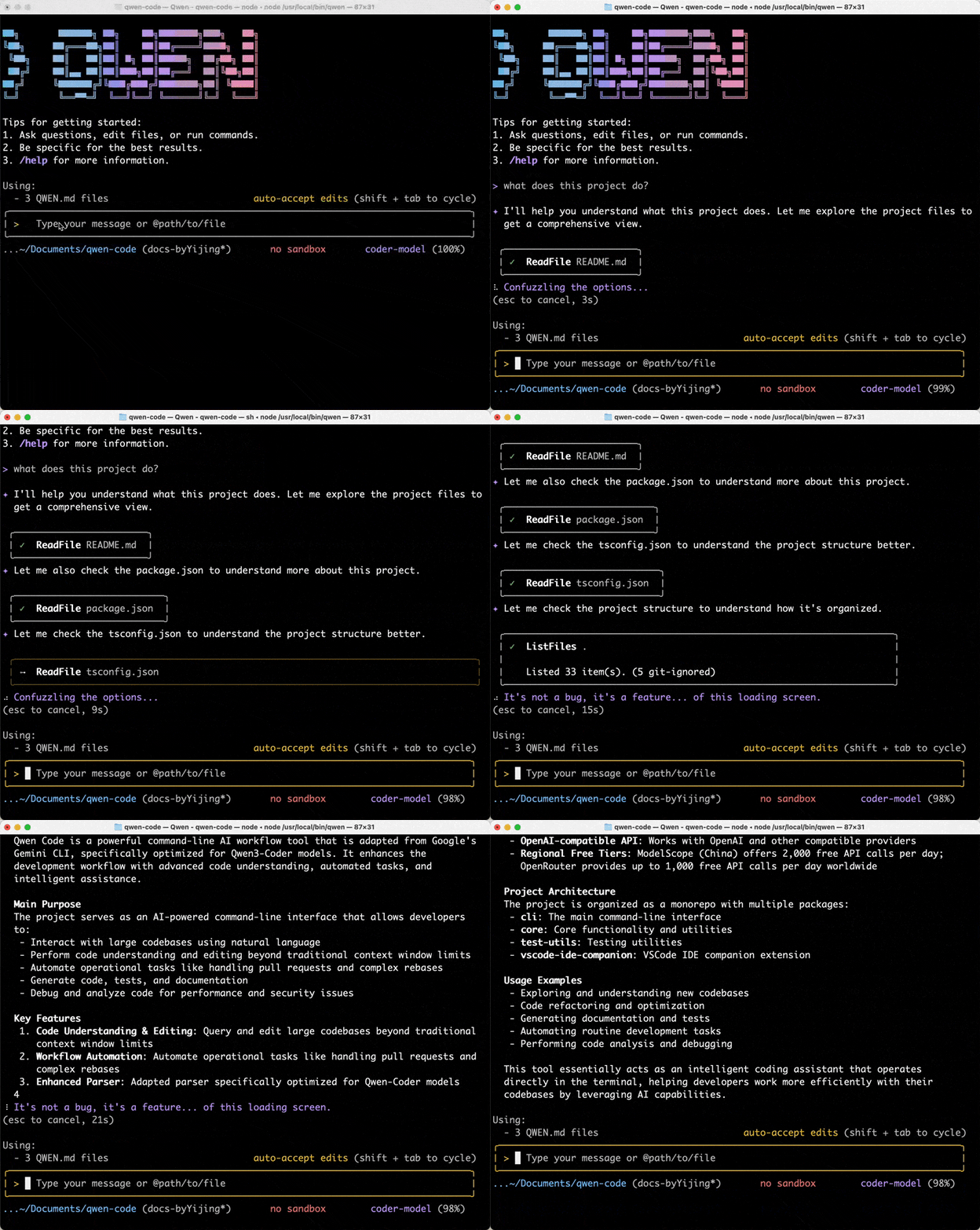
|
||||

|
||||
|
||||
You'll be prompted to log in on first use. That's it! [Continue with Quickstart (5 mins) →](/users/quickstart)
|
||||
You'll be prompted to log in on first use. That's it! [Continue with Quickstart (5 mins) →](./quickstart)
|
||||
|
||||
> [!tip]
|
||||
>
|
||||
> See [troubleshooting](/users/support/troubleshooting) if you hit issues.
|
||||
> See [troubleshooting](./support/troubleshooting) if you hit issues.
|
||||
|
||||
> [!note]
|
||||
>
|
||||
@@ -52,11 +52,11 @@ You'll be prompted to log in on first use. That's it! [Continue with Quickstart
|
||||
|
||||
- **Build features from descriptions**: Tell Qwen Code what you want to build in plain language. It will make a plan, write the code, and ensure it works.
|
||||
- **Debug and fix issues**: Describe a bug or paste an error message. Qwen Code will analyze your codebase, identify the problem, and implement a fix.
|
||||
- **Navigate any codebase**: Ask anything about your team's codebase, and get a thoughtful answer back. Qwen Code maintains awareness of your entire project structure, can find up-to-date information from the web, and with [MCP](/users/features/mcp) can pull from external datasources like Google Drive, Figma, and Slack.
|
||||
- **Navigate any codebase**: Ask anything about your team's codebase, and get a thoughtful answer back. Qwen Code maintains awareness of your entire project structure, can find up-to-date information from the web, and with [MCP](./features/mcp) can pull from external datasources like Google Drive, Figma, and Slack.
|
||||
- **Automate tedious tasks**: Fix fiddly lint issues, resolve merge conflicts, and write release notes. Do all this in a single command from your developer machines, or automatically in CI.
|
||||
|
||||
## Why developers love Qwen Code
|
||||
|
||||
- **Works in your terminal**: Not another chat window. Not another IDE. Qwen Code meets you where you already work, with the tools you already love.
|
||||
- **Takes action**: Qwen Code can directly edit files, run commands, and create commits. Need more? [MCP](/users/features/mcp) lets Qwen Code read your design docs in Google Drive, update your tickets in Jira, or use _your_ custom developer tooling.
|
||||
- **Takes action**: Qwen Code can directly edit files, run commands, and create commits. Need more? [MCP](./features/mcp) lets Qwen Code read your design docs in Google Drive, update your tickets in Jira, or use _your_ custom developer tooling.
|
||||
- **Unix philosophy**: Qwen Code is composable and scriptable. `tail -f app.log | qwen -p "Slack me if you see any anomalies appear in this log stream"` _works_. Your CI can run `qwen -p "If there are new text strings, translate them into French and raise a PR for @lang-fr-team to review"`.
|
||||
|
||||
@@ -206,7 +206,7 @@ Here are the most important commands for daily use:
|
||||
| → `output [language]` | Set LLM output language | `/language output Chinese` |
|
||||
| `/quit` | Exit Qwen Code immediately | `/quit` or `/exit` |
|
||||
|
||||
See the [CLI reference](/users/reference/cli-reference) for a complete list of commands.
|
||||
See the [CLI reference](./features/commands) for a complete list of commands.
|
||||
|
||||
## Pro tips for beginners
|
||||
|
||||
@@ -225,9 +225,9 @@ See the [CLI reference](/users/reference/cli-reference) for a complete list of c
|
||||
3. build a webpage that allows users to see and edit their information
|
||||
```
|
||||
|
||||
**Let Claude explore first**
|
||||
**Let Qwen Code explore first**
|
||||
|
||||
- Before making changes, let Claude understand your code:
|
||||
- Before making changes, let Qwen Code understand your code:
|
||||
|
||||
```
|
||||
analyze the database schema
|
||||
|
||||
@@ -23,7 +23,7 @@ When you authenticate using your qwen.ai account, these Terms of Service and Pri
|
||||
- **Terms of Service:** Your use is governed by the [Qwen Terms of Service](https://qwen.ai/termsservice).
|
||||
- **Privacy Notice:** The collection and use of your data is described in the [Qwen Privacy Policy](https://qwen.ai/privacypolicy).
|
||||
|
||||
For details about authentication setup, quotas, and supported features, see [Authentication Setup](/users/configuration/settings).
|
||||
For details about authentication setup, quotas, and supported features, see [Authentication Setup](../configuration/settings).
|
||||
|
||||
## 2. If you are using OpenAI-Compatible API Authentication
|
||||
|
||||
@@ -37,7 +37,7 @@ Qwen Code supports various OpenAI-compatible providers. Please refer to your spe
|
||||
|
||||
## Usage Statistics and Telemetry
|
||||
|
||||
Qwen Code may collect anonymous usage statistics and [telemetry](/developers/development/telemetry) data to improve the user experience and product quality. This data collection is optional and can be controlled through configuration settings.
|
||||
Qwen Code may collect anonymous usage statistics and [telemetry](../../developers/development/telemetry) data to improve the user experience and product quality. This data collection is optional and can be controlled through configuration settings.
|
||||
|
||||
### What Data is Collected
|
||||
|
||||
@@ -91,4 +91,4 @@ You can switch between Qwen OAuth and OpenAI-compatible API authentication at an
|
||||
2. **Within the CLI**: Use the `/auth` command to reconfigure your authentication method
|
||||
3. **Environment variables**: Set up `.env` files for automatic OpenAI-compatible API authentication
|
||||
|
||||
For detailed instructions, see the [Authentication Setup](/users/configuration/settings#environment-variables-for-api-access) documentation.
|
||||
For detailed instructions, see the [Authentication Setup](../configuration/settings#environment-variables-for-api-access) documentation.
|
||||
|
||||
@@ -31,7 +31,7 @@ This guide provides solutions to common issues and debugging tips, including top
|
||||
1. In your home directory: `~/.qwen/settings.json`.
|
||||
2. In your project's root directory: `./.qwen/settings.json`.
|
||||
|
||||
Refer to [Qwen Code Configuration](/users/configuration/settings) for more details.
|
||||
Refer to [Qwen Code Configuration](../configuration/settings) for more details.
|
||||
|
||||
- **Q: Why don't I see cached token counts in my stats output?**
|
||||
- A: Cached token information is only displayed when cached tokens are being used. This feature is available for API key users (Qwen API key or Google Cloud Vertex AI) but not for OAuth users (such as Google Personal/Enterprise accounts like Google Gmail or Google Workspace, respectively). This is because the Qwen Code Assist API does not support cached content creation. You can still view your total token usage using the `/stats` command.
|
||||
@@ -59,7 +59,7 @@ This guide provides solutions to common issues and debugging tips, including top
|
||||
|
||||
- **Error: "Operation not permitted", "Permission denied", or similar.**
|
||||
- **Cause:** When sandboxing is enabled, Qwen Code may attempt operations that are restricted by your sandbox configuration, such as writing outside the project directory or system temp directory.
|
||||
- **Solution:** Refer to the [Configuration: Sandboxing](/users/features/sandbox) documentation for more information, including how to customize your sandbox configuration.
|
||||
- **Solution:** Refer to the [Configuration: Sandboxing](../features/sandbox) documentation for more information, including how to customize your sandbox configuration.
|
||||
|
||||
- **Qwen Code is not running in interactive mode in "CI" environments**
|
||||
- **Issue:** Qwen Code does not enter interactive mode (no prompt appears) if an environment variable starting with `CI_` (e.g. `CI_TOKEN`) is set. This is because the `is-in-ci` package, used by the underlying UI framework, detects these variables and assumes a non-interactive CI environment.
|
||||
|
||||
@@ -659,6 +659,22 @@ const SETTINGS_SCHEMA = {
|
||||
childKey: 'disableCacheControl',
|
||||
showInDialog: true,
|
||||
},
|
||||
schemaCompliance: {
|
||||
type: 'enum',
|
||||
label: 'Tool Schema Compliance',
|
||||
category: 'Generation Configuration',
|
||||
requiresRestart: false,
|
||||
default: 'auto',
|
||||
description:
|
||||
'The compliance mode for tool schemas sent to the model. Use "openapi_30" for strict OpenAPI 3.0 compatibility (e.g., for Gemini).',
|
||||
parentKey: 'generationConfig',
|
||||
childKey: 'schemaCompliance',
|
||||
showInDialog: true,
|
||||
options: [
|
||||
{ value: 'auto', label: 'Auto (Default)' },
|
||||
{ value: 'openapi_30', label: 'OpenAPI 3.0 Strict' },
|
||||
],
|
||||
},
|
||||
},
|
||||
},
|
||||
},
|
||||
|
||||
@@ -310,6 +310,7 @@ export default {
|
||||
'Tool Output Truncation Lines': 'Tool Output Truncation Lines',
|
||||
'Folder Trust': 'Folder Trust',
|
||||
'Vision Model Preview': 'Vision Model Preview',
|
||||
'Tool Schema Compliance': 'Tool Schema Compliance',
|
||||
// Settings enum options
|
||||
'Auto (detect from system)': 'Auto (detect from system)',
|
||||
Text: 'Text',
|
||||
|
||||
@@ -300,6 +300,7 @@ export default {
|
||||
'Tool Output Truncation Lines': '工具输出截断行数',
|
||||
'Folder Trust': '文件夹信任',
|
||||
'Vision Model Preview': '视觉模型预览',
|
||||
'Tool Schema Compliance': '工具 Schema 兼容性',
|
||||
// Settings enum options
|
||||
'Auto (detect from system)': '自动(从系统检测)',
|
||||
Text: '文本',
|
||||
|
||||
@@ -76,6 +76,105 @@ describe('getGitHubRepoInfo', async () => {
|
||||
);
|
||||
expect(getGitHubRepoInfo()).toEqual({ owner: 'owner', repo: 'repo' });
|
||||
});
|
||||
|
||||
// Tests for credential formats
|
||||
|
||||
it('returns the owner and repo for URL with classic PAT token (ghp_)', async () => {
|
||||
vi.mocked(child_process.execSync).mockReturnValueOnce(
|
||||
'https://ghp_xxxxxxxxxxxxxxxxxxxxxxxxxxxxxxxxxxxx@github.com/owner/repo.git',
|
||||
);
|
||||
expect(getGitHubRepoInfo()).toEqual({ owner: 'owner', repo: 'repo' });
|
||||
});
|
||||
|
||||
it('returns the owner and repo for URL with fine-grained PAT token (github_pat_)', async () => {
|
||||
vi.mocked(child_process.execSync).mockReturnValueOnce(
|
||||
'https://github_pat_xxxxxxxxxxxxxxxxxxxxxx_xxxxxxxxxxxxxxxxxxxxxxxxxxxxxxxxxxxxxxxxxxxxxxxxxxxxxxxxxxx@github.com/owner/repo.git',
|
||||
);
|
||||
expect(getGitHubRepoInfo()).toEqual({ owner: 'owner', repo: 'repo' });
|
||||
});
|
||||
|
||||
it('returns the owner and repo for URL with username:password format', async () => {
|
||||
vi.mocked(child_process.execSync).mockReturnValueOnce(
|
||||
'https://username:password@github.com/owner/repo.git',
|
||||
);
|
||||
expect(getGitHubRepoInfo()).toEqual({ owner: 'owner', repo: 'repo' });
|
||||
});
|
||||
|
||||
it('returns the owner and repo for URL with OAuth token (oauth2:token)', async () => {
|
||||
vi.mocked(child_process.execSync).mockReturnValueOnce(
|
||||
'https://oauth2:gho_xxxxxxxxxxxx@github.com/owner/repo.git',
|
||||
);
|
||||
expect(getGitHubRepoInfo()).toEqual({ owner: 'owner', repo: 'repo' });
|
||||
});
|
||||
|
||||
it('returns the owner and repo for URL with GitHub Actions token (x-access-token)', async () => {
|
||||
vi.mocked(child_process.execSync).mockReturnValueOnce(
|
||||
'https://x-access-token:ghs_xxxxxxxxxxxx@github.com/owner/repo.git',
|
||||
);
|
||||
expect(getGitHubRepoInfo()).toEqual({ owner: 'owner', repo: 'repo' });
|
||||
});
|
||||
|
||||
// Tests for case insensitivity
|
||||
|
||||
it('returns the owner and repo for URL with uppercase GITHUB.COM', async () => {
|
||||
vi.mocked(child_process.execSync).mockReturnValueOnce(
|
||||
'https://GITHUB.COM/owner/repo.git',
|
||||
);
|
||||
expect(getGitHubRepoInfo()).toEqual({ owner: 'owner', repo: 'repo' });
|
||||
});
|
||||
|
||||
it('returns the owner and repo for URL with mixed case GitHub.Com', async () => {
|
||||
vi.mocked(child_process.execSync).mockReturnValueOnce(
|
||||
'https://GitHub.Com/owner/repo.git',
|
||||
);
|
||||
expect(getGitHubRepoInfo()).toEqual({ owner: 'owner', repo: 'repo' });
|
||||
});
|
||||
|
||||
// Tests for SSH format
|
||||
|
||||
it('returns the owner and repo for SSH URL', async () => {
|
||||
vi.mocked(child_process.execSync).mockReturnValueOnce(
|
||||
'git@github.com:owner/repo.git',
|
||||
);
|
||||
expect(getGitHubRepoInfo()).toEqual({ owner: 'owner', repo: 'repo' });
|
||||
});
|
||||
|
||||
it('throws for non-GitHub SSH URL', async () => {
|
||||
vi.mocked(child_process.execSync).mockReturnValueOnce(
|
||||
'git@gitlab.com:owner/repo.git',
|
||||
);
|
||||
expect(() => {
|
||||
getGitHubRepoInfo();
|
||||
}).toThrowError(/Owner & repo could not be extracted from remote URL/);
|
||||
});
|
||||
|
||||
// Tests for edge cases
|
||||
|
||||
it('returns the owner and repo for URL without .git suffix', async () => {
|
||||
vi.mocked(child_process.execSync).mockReturnValueOnce(
|
||||
'https://github.com/owner/repo',
|
||||
);
|
||||
expect(getGitHubRepoInfo()).toEqual({ owner: 'owner', repo: 'repo' });
|
||||
});
|
||||
|
||||
it('throws for non-GitHub HTTPS URL', async () => {
|
||||
vi.mocked(child_process.execSync).mockReturnValueOnce(
|
||||
'https://gitlab.com/owner/repo.git',
|
||||
);
|
||||
expect(() => {
|
||||
getGitHubRepoInfo();
|
||||
}).toThrowError(/Owner & repo could not be extracted from remote URL/);
|
||||
});
|
||||
|
||||
it('handles repo names containing .git substring', async () => {
|
||||
vi.mocked(child_process.execSync).mockReturnValueOnce(
|
||||
'https://github.com/owner/my.git.repo.git',
|
||||
);
|
||||
expect(getGitHubRepoInfo()).toEqual({
|
||||
owner: 'owner',
|
||||
repo: 'my.git.repo',
|
||||
});
|
||||
});
|
||||
});
|
||||
|
||||
describe('getGitRepoRoot', async () => {
|
||||
|
||||
@@ -103,17 +103,38 @@ export function getGitHubRepoInfo(): { owner: string; repo: string } {
|
||||
encoding: 'utf-8',
|
||||
}).trim();
|
||||
|
||||
// Matches either https://github.com/owner/repo.git or git@github.com:owner/repo.git
|
||||
const match = remoteUrl.match(
|
||||
/(?:https?:\/\/|git@)github\.com(?::|\/)([^/]+)\/([^/]+?)(?:\.git)?$/,
|
||||
);
|
||||
|
||||
// If the regex fails match, throw an error.
|
||||
if (!match || !match[1] || !match[2]) {
|
||||
// Handle SCP-style SSH URLs (git@github.com:owner/repo.git)
|
||||
let urlToParse = remoteUrl;
|
||||
if (remoteUrl.startsWith('git@github.com:')) {
|
||||
urlToParse = remoteUrl.replace('git@github.com:', '');
|
||||
} else if (remoteUrl.startsWith('git@')) {
|
||||
// SSH URL for a different provider (GitLab, Bitbucket, etc.)
|
||||
throw new Error(
|
||||
`Owner & repo could not be extracted from remote URL: ${remoteUrl}`,
|
||||
);
|
||||
}
|
||||
|
||||
return { owner: match[1], repo: match[2] };
|
||||
let parsedUrl: URL;
|
||||
try {
|
||||
parsedUrl = new URL(urlToParse, 'https://github.com');
|
||||
} catch {
|
||||
throw new Error(
|
||||
`Owner & repo could not be extracted from remote URL: ${remoteUrl}`,
|
||||
);
|
||||
}
|
||||
|
||||
if (parsedUrl.host !== 'github.com') {
|
||||
throw new Error(
|
||||
`Owner & repo could not be extracted from remote URL: ${remoteUrl}`,
|
||||
);
|
||||
}
|
||||
|
||||
const parts = parsedUrl.pathname.split('/').filter((part) => part !== '');
|
||||
if (parts.length !== 2 || !parts[0] || !parts[1]) {
|
||||
throw new Error(
|
||||
`Owner & repo could not be extracted from remote URL: ${remoteUrl}`,
|
||||
);
|
||||
}
|
||||
|
||||
return { owner: parts[0], repo: parts[1].replace(/\.git$/, '') };
|
||||
}
|
||||
|
||||
@@ -76,6 +76,8 @@ export type ContentGeneratorConfig = {
|
||||
};
|
||||
proxy?: string | undefined;
|
||||
userAgent?: string;
|
||||
// Schema compliance mode for tool definitions
|
||||
schemaCompliance?: 'auto' | 'openapi_30';
|
||||
};
|
||||
|
||||
export function createContentGeneratorConfig(
|
||||
|
||||
@@ -22,6 +22,10 @@ import { GenerateContentResponse, FinishReason } from '@google/genai';
|
||||
import type OpenAI from 'openai';
|
||||
import { safeJsonParse } from '../../utils/safeJsonParse.js';
|
||||
import { StreamingToolCallParser } from './streamingToolCallParser.js';
|
||||
import {
|
||||
convertSchema,
|
||||
type SchemaComplianceMode,
|
||||
} from '../../utils/schemaConverter.js';
|
||||
|
||||
/**
|
||||
* Extended usage type that supports both OpenAI standard format and alternative formats
|
||||
@@ -80,11 +84,13 @@ interface ParsedParts {
|
||||
*/
|
||||
export class OpenAIContentConverter {
|
||||
private model: string;
|
||||
private schemaCompliance: SchemaComplianceMode;
|
||||
private streamingToolCallParser: StreamingToolCallParser =
|
||||
new StreamingToolCallParser();
|
||||
|
||||
constructor(model: string) {
|
||||
constructor(model: string, schemaCompliance: SchemaComplianceMode = 'auto') {
|
||||
this.model = model;
|
||||
this.schemaCompliance = schemaCompliance;
|
||||
}
|
||||
|
||||
/**
|
||||
@@ -205,6 +211,10 @@ export class OpenAIContentConverter {
|
||||
);
|
||||
}
|
||||
|
||||
if (parameters) {
|
||||
parameters = convertSchema(parameters, this.schemaCompliance);
|
||||
}
|
||||
|
||||
openAITools.push({
|
||||
type: 'function',
|
||||
function: {
|
||||
|
||||
@@ -108,7 +108,10 @@ describe('ContentGenerationPipeline', () => {
|
||||
describe('constructor', () => {
|
||||
it('should initialize with correct configuration', () => {
|
||||
expect(mockProvider.buildClient).toHaveBeenCalled();
|
||||
expect(OpenAIContentConverter).toHaveBeenCalledWith('test-model');
|
||||
expect(OpenAIContentConverter).toHaveBeenCalledWith(
|
||||
'test-model',
|
||||
undefined,
|
||||
);
|
||||
});
|
||||
});
|
||||
|
||||
|
||||
@@ -34,6 +34,7 @@ export class ContentGenerationPipeline {
|
||||
this.client = this.config.provider.buildClient();
|
||||
this.converter = new OpenAIContentConverter(
|
||||
this.contentGeneratorConfig.model,
|
||||
this.contentGeneratorConfig.schemaCompliance,
|
||||
);
|
||||
}
|
||||
|
||||
|
||||
@@ -50,7 +50,7 @@ describe('getIdeProcessInfo', () => {
|
||||
expect(result).toEqual({ pid: 700, command: '/usr/lib/vscode/code' });
|
||||
});
|
||||
|
||||
it('should return parent process info if grandparent lookup fails', async () => {
|
||||
it('should return shell process info if grandparent lookup fails', async () => {
|
||||
(os.platform as Mock).mockReturnValue('linux');
|
||||
mockedExec
|
||||
.mockResolvedValueOnce({ stdout: '800 /bin/bash' }) // pid 1000 -> ppid 800 (shell)
|
||||
@@ -63,134 +63,96 @@ describe('getIdeProcessInfo', () => {
|
||||
});
|
||||
|
||||
describe('on Windows', () => {
|
||||
it('should traverse up and find the great-grandchild of the root process', async () => {
|
||||
it('should return great-grandparent process using heuristic', async () => {
|
||||
(os.platform as Mock).mockReturnValue('win32');
|
||||
const processInfoMap = new Map([
|
||||
[
|
||||
1000,
|
||||
{
|
||||
stdout:
|
||||
'{"Name":"node.exe","ParentProcessId":900,"CommandLine":"node.exe"}',
|
||||
},
|
||||
],
|
||||
[
|
||||
900,
|
||||
{
|
||||
stdout:
|
||||
'{"Name":"powershell.exe","ParentProcessId":800,"CommandLine":"powershell.exe"}',
|
||||
},
|
||||
],
|
||||
[
|
||||
800,
|
||||
{
|
||||
stdout:
|
||||
'{"Name":"code.exe","ParentProcessId":700,"CommandLine":"code.exe"}',
|
||||
},
|
||||
],
|
||||
[
|
||||
700,
|
||||
{
|
||||
stdout:
|
||||
'{"Name":"wininit.exe","ParentProcessId":0,"CommandLine":"wininit.exe"}',
|
||||
},
|
||||
],
|
||||
]);
|
||||
mockedExec.mockImplementation((command: string) => {
|
||||
const pidMatch = command.match(/ProcessId=(\d+)/);
|
||||
if (pidMatch) {
|
||||
const pid = parseInt(pidMatch[1], 10);
|
||||
return Promise.resolve(processInfoMap.get(pid));
|
||||
|
||||
const processes = [
|
||||
{
|
||||
ProcessId: 1000,
|
||||
ParentProcessId: 900,
|
||||
Name: 'node.exe',
|
||||
CommandLine: 'node.exe',
|
||||
},
|
||||
{
|
||||
ProcessId: 900,
|
||||
ParentProcessId: 800,
|
||||
Name: 'powershell.exe',
|
||||
CommandLine: 'powershell.exe',
|
||||
},
|
||||
{
|
||||
ProcessId: 800,
|
||||
ParentProcessId: 700,
|
||||
Name: 'code.exe',
|
||||
CommandLine: 'code.exe',
|
||||
},
|
||||
{
|
||||
ProcessId: 700,
|
||||
ParentProcessId: 0,
|
||||
Name: 'wininit.exe',
|
||||
CommandLine: 'wininit.exe',
|
||||
},
|
||||
];
|
||||
|
||||
mockedExec.mockImplementation((file: string, _args: string[]) => {
|
||||
if (file === 'powershell') {
|
||||
return Promise.resolve({ stdout: JSON.stringify(processes) });
|
||||
}
|
||||
return Promise.reject(new Error('Invalid command for mock'));
|
||||
return Promise.resolve({ stdout: '' });
|
||||
});
|
||||
|
||||
const result = await getIdeProcessInfo();
|
||||
// Process chain: 1000 (node.exe) -> 900 (powershell.exe) -> 800 (code.exe) -> 700 (wininit.exe)
|
||||
// ancestors = [1000, 900, 800, 700], length = 4
|
||||
// Heuristic: return ancestors[length-3] = ancestors[1] = 900 (powershell.exe)
|
||||
expect(result).toEqual({ pid: 900, command: 'powershell.exe' });
|
||||
});
|
||||
|
||||
it('should handle non-existent process gracefully', async () => {
|
||||
it('should handle empty process list gracefully', async () => {
|
||||
(os.platform as Mock).mockReturnValue('win32');
|
||||
mockedExec
|
||||
.mockResolvedValueOnce({ stdout: '' }) // Non-existent PID returns empty due to -ErrorAction SilentlyContinue
|
||||
.mockResolvedValueOnce({
|
||||
stdout:
|
||||
'{"Name":"fallback.exe","ParentProcessId":0,"CommandLine":"fallback.exe"}',
|
||||
}); // Fallback call
|
||||
mockedExec.mockResolvedValue({ stdout: '[]' });
|
||||
|
||||
const result = await getIdeProcessInfo();
|
||||
expect(result).toEqual({ pid: 1000, command: 'fallback.exe' });
|
||||
// Should return current pid and empty command because process not found in map
|
||||
expect(result).toEqual({ pid: 1000, command: '' });
|
||||
});
|
||||
|
||||
it('should handle malformed JSON output gracefully', async () => {
|
||||
(os.platform as Mock).mockReturnValue('win32');
|
||||
mockedExec
|
||||
.mockResolvedValueOnce({ stdout: '{"invalid":json}' }) // Malformed JSON
|
||||
.mockResolvedValueOnce({
|
||||
stdout:
|
||||
'{"Name":"fallback.exe","ParentProcessId":0,"CommandLine":"fallback.exe"}',
|
||||
}); // Fallback call
|
||||
mockedExec.mockResolvedValue({ stdout: '{"invalid":json}' });
|
||||
|
||||
const result = await getIdeProcessInfo();
|
||||
expect(result).toEqual({ pid: 1000, command: 'fallback.exe' });
|
||||
expect(result).toEqual({ pid: 1000, command: '' });
|
||||
});
|
||||
|
||||
it('should handle PowerShell errors without crashing the process chain', async () => {
|
||||
it('should return last ancestor if chain is too short', async () => {
|
||||
(os.platform as Mock).mockReturnValue('win32');
|
||||
const processInfoMap = new Map([
|
||||
[1000, { stdout: '' }], // First process doesn't exist (empty due to -ErrorAction)
|
||||
[
|
||||
1001,
|
||||
{
|
||||
stdout:
|
||||
'{"Name":"parent.exe","ParentProcessId":800,"CommandLine":"parent.exe"}',
|
||||
},
|
||||
],
|
||||
[
|
||||
800,
|
||||
{
|
||||
stdout:
|
||||
'{"Name":"ide.exe","ParentProcessId":0,"CommandLine":"ide.exe"}',
|
||||
},
|
||||
],
|
||||
]);
|
||||
|
||||
// Mock the process.pid to test traversal with missing processes
|
||||
Object.defineProperty(process, 'pid', {
|
||||
value: 1001,
|
||||
configurable: true,
|
||||
});
|
||||
const processes = [
|
||||
{
|
||||
ProcessId: 1000,
|
||||
ParentProcessId: 900,
|
||||
Name: 'node.exe',
|
||||
CommandLine: 'node.exe',
|
||||
},
|
||||
{
|
||||
ProcessId: 900,
|
||||
ParentProcessId: 0,
|
||||
Name: 'explorer.exe',
|
||||
CommandLine: 'explorer.exe',
|
||||
},
|
||||
];
|
||||
|
||||
mockedExec.mockImplementation((command: string) => {
|
||||
const pidMatch = command.match(/ProcessId=(\d+)/);
|
||||
if (pidMatch) {
|
||||
const pid = parseInt(pidMatch[1], 10);
|
||||
return Promise.resolve(processInfoMap.get(pid) || { stdout: '' });
|
||||
mockedExec.mockImplementation((file: string, _args: string[]) => {
|
||||
if (file === 'powershell') {
|
||||
return Promise.resolve({ stdout: JSON.stringify(processes) });
|
||||
}
|
||||
return Promise.reject(new Error('Invalid command for mock'));
|
||||
return Promise.resolve({ stdout: '' });
|
||||
});
|
||||
|
||||
const result = await getIdeProcessInfo();
|
||||
// Should return the current process command since traversal continues despite missing processes
|
||||
expect(result).toEqual({ pid: 1001, command: 'parent.exe' });
|
||||
|
||||
// Reset process.pid
|
||||
Object.defineProperty(process, 'pid', {
|
||||
value: 1000,
|
||||
configurable: true,
|
||||
});
|
||||
});
|
||||
|
||||
it('should handle partial JSON data with defaults', async () => {
|
||||
(os.platform as Mock).mockReturnValue('win32');
|
||||
mockedExec
|
||||
.mockResolvedValueOnce({ stdout: '{"Name":"partial.exe"}' }) // Missing ParentProcessId, defaults to 0
|
||||
.mockResolvedValueOnce({
|
||||
stdout:
|
||||
'{"Name":"root.exe","ParentProcessId":0,"CommandLine":"root.exe"}',
|
||||
}); // Get grandparent info
|
||||
|
||||
const result = await getIdeProcessInfo();
|
||||
expect(result).toEqual({ pid: 1000, command: 'root.exe' });
|
||||
// ancestors = [1000, 900], length = 2 (< 3)
|
||||
// Heuristic: return ancestors[length-1] = ancestors[1] = 900 (explorer.exe)
|
||||
expect(result).toEqual({ pid: 900, command: 'explorer.exe' });
|
||||
});
|
||||
});
|
||||
});
|
||||
|
||||
@@ -4,74 +4,28 @@
|
||||
* SPDX-License-Identifier: Apache-2.0
|
||||
*/
|
||||
|
||||
import { exec } from 'node:child_process';
|
||||
import { exec, execFile } from 'node:child_process';
|
||||
import { promisify } from 'node:util';
|
||||
import os from 'node:os';
|
||||
import path from 'node:path';
|
||||
|
||||
const execAsync = promisify(exec);
|
||||
const execFileAsync = promisify(execFile);
|
||||
|
||||
const MAX_TRAVERSAL_DEPTH = 32;
|
||||
|
||||
/**
|
||||
* Fetches the parent process ID, name, and command for a given process ID.
|
||||
*
|
||||
* @param pid The process ID to inspect.
|
||||
* @returns A promise that resolves to the parent's PID, name, and command.
|
||||
*/
|
||||
async function getProcessInfo(pid: number): Promise<{
|
||||
parentPid: number;
|
||||
name: string;
|
||||
command: string;
|
||||
}> {
|
||||
try {
|
||||
const platform = os.platform();
|
||||
if (platform === 'win32') {
|
||||
const powershellCommand = [
|
||||
'$p = Get-CimInstance Win32_Process',
|
||||
`-Filter 'ProcessId=${pid}'`,
|
||||
'-ErrorAction SilentlyContinue;',
|
||||
'if ($p) {',
|
||||
'@{Name=$p.Name;ParentProcessId=$p.ParentProcessId;CommandLine=$p.CommandLine}',
|
||||
'| ConvertTo-Json',
|
||||
'}',
|
||||
].join(' ');
|
||||
const { stdout } = await execAsync(`powershell "${powershellCommand}"`);
|
||||
const output = stdout.trim();
|
||||
if (!output) return { parentPid: 0, name: '', command: '' };
|
||||
const {
|
||||
Name = '',
|
||||
ParentProcessId = 0,
|
||||
CommandLine = '',
|
||||
} = JSON.parse(output);
|
||||
return {
|
||||
parentPid: ParentProcessId,
|
||||
name: Name,
|
||||
command: CommandLine ?? '',
|
||||
};
|
||||
} else {
|
||||
const command = `ps -o ppid=,command= -p ${pid}`;
|
||||
const { stdout } = await execAsync(command);
|
||||
const trimmedStdout = stdout.trim();
|
||||
if (!trimmedStdout) {
|
||||
return { parentPid: 0, name: '', command: '' };
|
||||
}
|
||||
const ppidString = trimmedStdout.split(/\s+/)[0];
|
||||
const parentPid = parseInt(ppidString, 10);
|
||||
const fullCommand = trimmedStdout.substring(ppidString.length).trim();
|
||||
const processName = path.basename(fullCommand.split(' ')[0]);
|
||||
return {
|
||||
parentPid: isNaN(parentPid) ? 1 : parentPid,
|
||||
name: processName,
|
||||
command: fullCommand,
|
||||
};
|
||||
}
|
||||
} catch (_e) {
|
||||
console.debug(`Failed to get process info for pid ${pid}:`, _e);
|
||||
return { parentPid: 0, name: '', command: '' };
|
||||
}
|
||||
// Only used for Unix systems (macOS and Linux)
|
||||
const { stdout } = await execAsync(`ps -p ${pid} -o ppid=,comm=`);
|
||||
const [ppidStr, ...commandParts] = stdout.trim().split(/\s+/);
|
||||
const parentPid = parseInt(ppidStr, 10);
|
||||
const command = commandParts.join(' ');
|
||||
return { parentPid, name: path.basename(command), command };
|
||||
}
|
||||
|
||||
/**
|
||||
* Finds the IDE process info on Unix-like systems.
|
||||
*
|
||||
@@ -106,15 +60,15 @@ async function getIdeProcessInfoForUnix(): Promise<{
|
||||
} catch {
|
||||
// Ignore if getting grandparent fails, we'll just use the parent pid.
|
||||
}
|
||||
const { command } = await getProcessInfo(idePid);
|
||||
return { pid: idePid, command };
|
||||
const { command: ideCommand } = await getProcessInfo(idePid);
|
||||
return { pid: idePid, command: ideCommand };
|
||||
}
|
||||
|
||||
if (parentPid <= 1) {
|
||||
break; // Reached the root
|
||||
}
|
||||
currentPid = parentPid;
|
||||
} catch {
|
||||
} catch (_e) {
|
||||
// Process in chain died
|
||||
break;
|
||||
}
|
||||
@@ -124,50 +78,104 @@ async function getIdeProcessInfoForUnix(): Promise<{
|
||||
return { pid: currentPid, command };
|
||||
}
|
||||
|
||||
interface ProcessInfo {
|
||||
pid: number;
|
||||
parentPid: number;
|
||||
name: string;
|
||||
command: string;
|
||||
}
|
||||
|
||||
interface RawProcessInfo {
|
||||
ProcessId?: number;
|
||||
ParentProcessId?: number;
|
||||
Name?: string;
|
||||
CommandLine?: string;
|
||||
}
|
||||
|
||||
/**
|
||||
* Finds the IDE process info on Windows.
|
||||
*
|
||||
* The strategy is to find the great-grandchild of the root process.
|
||||
*
|
||||
* @returns A promise that resolves to the PID and command of the IDE process.
|
||||
* Fetches the entire process table on Windows.
|
||||
*/
|
||||
async function getProcessTableWindows(): Promise<Map<number, ProcessInfo>> {
|
||||
const processMap = new Map<number, ProcessInfo>();
|
||||
try {
|
||||
const powershellCommand =
|
||||
'Get-CimInstance Win32_Process | Select-Object ProcessId,ParentProcessId,Name,CommandLine | ConvertTo-Json -Compress';
|
||||
const { stdout } = await execFileAsync(
|
||||
'powershell',
|
||||
['-NoProfile', '-NonInteractive', '-Command', powershellCommand],
|
||||
{ maxBuffer: 10 * 1024 * 1024 },
|
||||
);
|
||||
|
||||
if (!stdout.trim()) {
|
||||
return processMap;
|
||||
}
|
||||
|
||||
let processes: RawProcessInfo | RawProcessInfo[];
|
||||
try {
|
||||
processes = JSON.parse(stdout);
|
||||
} catch (_e) {
|
||||
return processMap;
|
||||
}
|
||||
|
||||
if (!Array.isArray(processes)) {
|
||||
processes = [processes];
|
||||
}
|
||||
|
||||
for (const p of processes) {
|
||||
if (p && typeof p.ProcessId === 'number') {
|
||||
processMap.set(p.ProcessId, {
|
||||
pid: p.ProcessId,
|
||||
parentPid: p.ParentProcessId || 0,
|
||||
name: p.Name || '',
|
||||
command: p.CommandLine || '',
|
||||
});
|
||||
}
|
||||
}
|
||||
} catch (_e) {
|
||||
// Fallback or error handling if PowerShell fails
|
||||
}
|
||||
return processMap;
|
||||
}
|
||||
|
||||
async function getIdeProcessInfoForWindows(): Promise<{
|
||||
pid: number;
|
||||
command: string;
|
||||
}> {
|
||||
let currentPid = process.pid;
|
||||
let previousPid = process.pid;
|
||||
// Fetch the entire process table in one go.
|
||||
const processMap = await getProcessTableWindows();
|
||||
|
||||
for (let i = 0; i < MAX_TRAVERSAL_DEPTH; i++) {
|
||||
try {
|
||||
const { parentPid } = await getProcessInfo(currentPid);
|
||||
const myPid = process.pid;
|
||||
const myProc = processMap.get(myPid);
|
||||
|
||||
if (parentPid > 0) {
|
||||
try {
|
||||
const { parentPid: grandParentPid } = await getProcessInfo(parentPid);
|
||||
if (grandParentPid === 0) {
|
||||
// We've found the grandchild of the root (`currentPid`). The IDE
|
||||
// process is its child, which we've stored in `previousPid`.
|
||||
const { command } = await getProcessInfo(previousPid);
|
||||
return { pid: previousPid, command };
|
||||
}
|
||||
} catch {
|
||||
// getting grandparent failed, proceed
|
||||
}
|
||||
}
|
||||
if (!myProc) {
|
||||
// Fallback: return current process info if snapshot fails
|
||||
return { pid: myPid, command: '' };
|
||||
}
|
||||
|
||||
if (parentPid <= 0) {
|
||||
break; // Reached the root
|
||||
}
|
||||
previousPid = currentPid;
|
||||
currentPid = parentPid;
|
||||
} catch {
|
||||
// Process in chain died
|
||||
// Perform tree traversal in memory
|
||||
const ancestors: ProcessInfo[] = [];
|
||||
let curr: ProcessInfo | undefined = myProc;
|
||||
|
||||
for (let i = 0; i < MAX_TRAVERSAL_DEPTH && curr; i++) {
|
||||
ancestors.push(curr);
|
||||
|
||||
if (curr.parentPid === 0 || !processMap.has(curr.parentPid)) {
|
||||
// Parent process not in map, stop traversal
|
||||
break;
|
||||
}
|
||||
curr = processMap.get(curr.parentPid);
|
||||
}
|
||||
const { command } = await getProcessInfo(currentPid);
|
||||
return { pid: currentPid, command };
|
||||
|
||||
// Use heuristic: return the great-grandparent (ancestors[length-3])
|
||||
if (ancestors.length >= 3) {
|
||||
const target = ancestors[ancestors.length - 3];
|
||||
return { pid: target.pid, command: target.command };
|
||||
} else if (ancestors.length > 0) {
|
||||
const target = ancestors[ancestors.length - 1];
|
||||
return { pid: target.pid, command: target.command };
|
||||
}
|
||||
|
||||
return { pid: myPid, command: myProc.command };
|
||||
}
|
||||
|
||||
/**
|
||||
|
||||
118
packages/core/src/utils/schemaConverter.test.ts
Normal file
118
packages/core/src/utils/schemaConverter.test.ts
Normal file
@@ -0,0 +1,118 @@
|
||||
/**
|
||||
* @license
|
||||
* Copyright 2025 Google LLC
|
||||
* SPDX-License-Identifier: Apache-2.0
|
||||
*/
|
||||
|
||||
import { describe, it, expect } from 'vitest';
|
||||
import { convertSchema } from './schemaConverter.js';
|
||||
|
||||
describe('convertSchema', () => {
|
||||
describe('mode: auto (default)', () => {
|
||||
it('should preserve type arrays', () => {
|
||||
const input = { type: ['string', 'null'] };
|
||||
expect(convertSchema(input, 'auto')).toEqual(input);
|
||||
});
|
||||
|
||||
it('should preserve items array (tuples)', () => {
|
||||
const input = {
|
||||
type: 'array',
|
||||
items: [{ type: 'string' }, { type: 'number' }],
|
||||
};
|
||||
expect(convertSchema(input, 'auto')).toEqual(input);
|
||||
});
|
||||
|
||||
it('should preserve mixed enums', () => {
|
||||
const input = { enum: [1, 2, '3'] };
|
||||
expect(convertSchema(input, 'auto')).toEqual(input);
|
||||
});
|
||||
|
||||
it('should preserve unsupported keywords', () => {
|
||||
const input = {
|
||||
$schema: 'http://json-schema.org/draft-07/schema#',
|
||||
exclusiveMinimum: 10,
|
||||
type: 'number',
|
||||
};
|
||||
expect(convertSchema(input, 'auto')).toEqual(input);
|
||||
});
|
||||
});
|
||||
|
||||
describe('mode: openapi_30 (strict)', () => {
|
||||
it('should convert type arrays to nullable', () => {
|
||||
const input = { type: ['string', 'null'] };
|
||||
const expected = { type: 'string', nullable: true };
|
||||
expect(convertSchema(input, 'openapi_30')).toEqual(expected);
|
||||
});
|
||||
|
||||
it('should fallback to first type for non-nullable arrays', () => {
|
||||
const input = { type: ['string', 'number'] };
|
||||
const expected = { type: 'string' };
|
||||
expect(convertSchema(input, 'openapi_30')).toEqual(expected);
|
||||
});
|
||||
|
||||
it('should convert const to enum', () => {
|
||||
const input = { const: 'foo' };
|
||||
const expected = { enum: ['foo'] };
|
||||
expect(convertSchema(input, 'openapi_30')).toEqual(expected);
|
||||
});
|
||||
|
||||
it('should convert exclusiveMinimum number to boolean', () => {
|
||||
const input = { type: 'number', exclusiveMinimum: 10 };
|
||||
const expected = {
|
||||
type: 'number',
|
||||
minimum: 10,
|
||||
exclusiveMinimum: true,
|
||||
};
|
||||
expect(convertSchema(input, 'openapi_30')).toEqual(expected);
|
||||
});
|
||||
|
||||
it('should convert nested objects recursively', () => {
|
||||
const input = {
|
||||
type: 'object',
|
||||
properties: {
|
||||
prop1: { type: ['integer', 'null'], exclusiveMaximum: 5 },
|
||||
},
|
||||
};
|
||||
const expected = {
|
||||
type: 'object',
|
||||
properties: {
|
||||
prop1: {
|
||||
type: 'integer',
|
||||
nullable: true,
|
||||
maximum: 5,
|
||||
exclusiveMaximum: true,
|
||||
},
|
||||
},
|
||||
};
|
||||
expect(convertSchema(input, 'openapi_30')).toEqual(expected);
|
||||
});
|
||||
|
||||
it('should stringify enums', () => {
|
||||
const input = { enum: [1, 2, '3'] };
|
||||
const expected = { enum: ['1', '2', '3'] };
|
||||
expect(convertSchema(input, 'openapi_30')).toEqual(expected);
|
||||
});
|
||||
|
||||
it('should remove tuple items (array of schemas)', () => {
|
||||
const input = {
|
||||
type: 'array',
|
||||
items: [{ type: 'string' }, { type: 'number' }],
|
||||
};
|
||||
const expected = { type: 'array' };
|
||||
expect(convertSchema(input, 'openapi_30')).toEqual(expected);
|
||||
});
|
||||
|
||||
it('should remove unsupported keywords', () => {
|
||||
const input = {
|
||||
$schema: 'http://json-schema.org/draft-07/schema#',
|
||||
$id: '#foo',
|
||||
type: 'string',
|
||||
default: 'bar',
|
||||
dependencies: { foo: ['bar'] },
|
||||
patternProperties: { '^foo': { type: 'string' } },
|
||||
};
|
||||
const expected = { type: 'string' };
|
||||
expect(convertSchema(input, 'openapi_30')).toEqual(expected);
|
||||
});
|
||||
});
|
||||
});
|
||||
135
packages/core/src/utils/schemaConverter.ts
Normal file
135
packages/core/src/utils/schemaConverter.ts
Normal file
@@ -0,0 +1,135 @@
|
||||
/**
|
||||
* @license
|
||||
* Copyright 2025 Google LLC
|
||||
* SPDX-License-Identifier: Apache-2.0
|
||||
*/
|
||||
|
||||
/**
|
||||
* Utility for converting JSON Schemas to be compatible with different LLM providers.
|
||||
* Specifically focuses on downgrading modern JSON Schema (Draft 7/2020-12) to
|
||||
* OpenAPI 3.0 compatible Schema Objects, which is required for Google Gemini API.
|
||||
*/
|
||||
|
||||
export type SchemaComplianceMode = 'auto' | 'openapi_30';
|
||||
|
||||
/**
|
||||
* Converts a JSON Schema to be compatible with the specified compliance mode.
|
||||
*/
|
||||
export function convertSchema(
|
||||
schema: Record<string, unknown>,
|
||||
mode: SchemaComplianceMode = 'auto',
|
||||
): Record<string, unknown> {
|
||||
if (mode === 'openapi_30') {
|
||||
return toOpenAPI30(schema);
|
||||
}
|
||||
|
||||
// Default ('auto') mode now does nothing.
|
||||
return schema;
|
||||
}
|
||||
|
||||
/**
|
||||
* Converts Modern JSON Schema to OpenAPI 3.0 Schema Object.
|
||||
* Attempts to preserve semantics where possible through transformations.
|
||||
*/
|
||||
function toOpenAPI30(schema: Record<string, unknown>): Record<string, unknown> {
|
||||
const convert = (obj: unknown): unknown => {
|
||||
if (typeof obj !== 'object' || obj === null) {
|
||||
return obj;
|
||||
}
|
||||
|
||||
if (Array.isArray(obj)) {
|
||||
return obj.map(convert);
|
||||
}
|
||||
|
||||
const source = obj as Record<string, unknown>;
|
||||
const target: Record<string, unknown> = {};
|
||||
|
||||
// 1. Type Handling
|
||||
if (Array.isArray(source['type'])) {
|
||||
const types = source['type'] as string[];
|
||||
// Handle ["string", "null"] pattern common in modern schemas
|
||||
if (types.length === 2 && types.includes('null')) {
|
||||
target['type'] = types.find((t) => t !== 'null');
|
||||
target['nullable'] = true;
|
||||
} else {
|
||||
// Fallback for other unions: take the first non-null type
|
||||
// OpenAPI 3.0 doesn't support type arrays.
|
||||
// Ideal fix would be anyOf, but simple fallback is safer for now.
|
||||
target['type'] = types[0];
|
||||
}
|
||||
} else if (source['type'] !== undefined) {
|
||||
target['type'] = source['type'];
|
||||
}
|
||||
|
||||
// 2. Const Handling (Draft 6+) -> Enum (OpenAPI 3.0)
|
||||
if (source['const'] !== undefined) {
|
||||
target['enum'] = [source['const']];
|
||||
delete target['const'];
|
||||
}
|
||||
|
||||
// 3. Exclusive Limits (Draft 6+ number) -> (Draft 4 boolean)
|
||||
// exclusiveMinimum: 10 -> minimum: 10, exclusiveMinimum: true
|
||||
if (typeof source['exclusiveMinimum'] === 'number') {
|
||||
target['minimum'] = source['exclusiveMinimum'];
|
||||
target['exclusiveMinimum'] = true;
|
||||
}
|
||||
if (typeof source['exclusiveMaximum'] === 'number') {
|
||||
target['maximum'] = source['exclusiveMaximum'];
|
||||
target['exclusiveMaximum'] = true;
|
||||
}
|
||||
|
||||
// 4. Array Items (Tuple -> Single Schema)
|
||||
// OpenAPI 3.0 items must be a schema object, not an array of schemas
|
||||
if (Array.isArray(source['items'])) {
|
||||
// Tuple support is tricky.
|
||||
// Best effort: Use the first item's schema as a generic array type
|
||||
// or convert to an empty object (any type) if mixed.
|
||||
// For now, we'll strip it to allow validation to pass (accepts any items)
|
||||
// This matches the legacy behavior but is explicit.
|
||||
// Ideally, we could use `oneOf` on the items if we wanted to be stricter.
|
||||
delete target['items'];
|
||||
} else if (
|
||||
typeof source['items'] === 'object' &&
|
||||
source['items'] !== null
|
||||
) {
|
||||
target['items'] = convert(source['items']);
|
||||
}
|
||||
|
||||
// 5. Enum Stringification
|
||||
// Gemini strictly requires enums to be strings
|
||||
if (Array.isArray(source['enum'])) {
|
||||
target['enum'] = source['enum'].map(String);
|
||||
}
|
||||
|
||||
// 6. Recursively process other properties
|
||||
for (const [key, value] of Object.entries(source)) {
|
||||
// Skip fields we've already handled or want to remove
|
||||
if (
|
||||
key === 'type' ||
|
||||
key === 'const' ||
|
||||
key === 'exclusiveMinimum' ||
|
||||
key === 'exclusiveMaximum' ||
|
||||
key === 'items' ||
|
||||
key === 'enum' ||
|
||||
key === '$schema' ||
|
||||
key === '$id' ||
|
||||
key === 'default' || // Optional: Gemini sometimes complains about defaults conflicting with types
|
||||
key === 'dependencies' ||
|
||||
key === 'patternProperties'
|
||||
) {
|
||||
continue;
|
||||
}
|
||||
|
||||
target[key] = convert(value);
|
||||
}
|
||||
|
||||
// Preserve default if it doesn't conflict (simple pass-through)
|
||||
// if (source['default'] !== undefined) {
|
||||
// target['default'] = source['default'];
|
||||
// }
|
||||
|
||||
return target;
|
||||
};
|
||||
|
||||
return convert(schema) as Record<string, unknown>;
|
||||
}
|
||||
Reference in New Issue
Block a user